Latest Posts From Md. Abdullah Al Murad

In general, the COUNT function in Excel helps us to count the number of cells containing numerical values within a given range. This is one of the more popular ...
 Md. Abdullah Al Murad
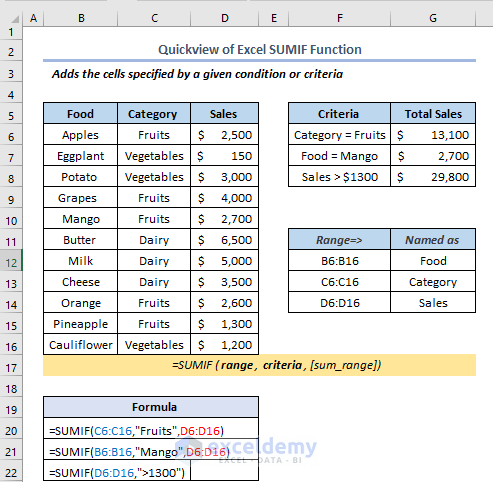
The SUMIF Function in Excel - Quick View Introduction to the Excel SUMIF Function: Summary: This function adds the cells specified by a given ...

This article will demonstrate comprehensively how the SUM function works in Excel, both on its own and in conjunction with other Excel functions. ...
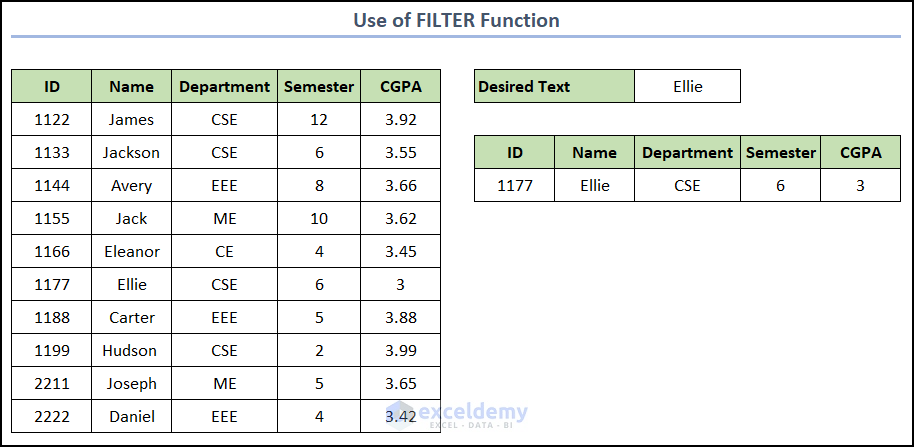
Introduction to the FILTER Function in Excel Function Objective: Filter some particular cells or values according to our requirements. Syntax: ...
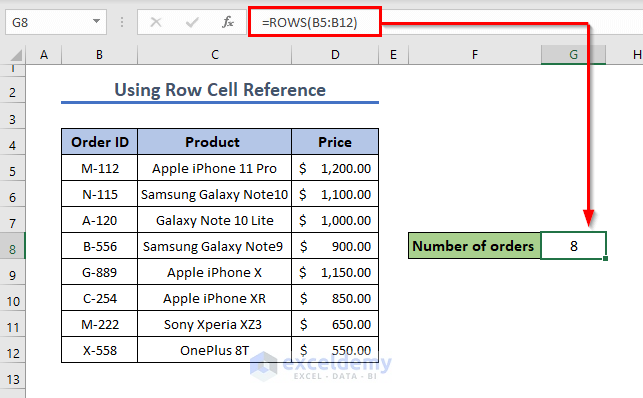
The ROWS function is a popular Excel built-in function that can be categorized under the LOOKUP and REFERENCE Functions. This function returns the number of ...

Sometimes we may need to figure out or determine the column number of any specific cell. For this purpose, Excel provides a function named COLUMN. This ...

The FALSE function in Excel is one of the logical functions in Excel which gives FALSE as output. Using this function, we can declare the cell value as FALSE. ...

Overview of the TODAY Function Summary The TODAY function returns the current date formatted as a date. Syntax =TODAY() The TODAY ...

Quick View of the HOUR Function in Excel In the following picture, you can see a quick view of the HOUR function. Syntax & Argument ...

Dataset Overview Let’s consider a dataset of employees with their ID, Name, Joining Date, and Year. Here’s an overview of the dataset that we'll use to ...

The dataset below has data in the Products, Order Date, Delivery Date, and Price columns. Method 1 – Adopting the Sort & Filter Option Steps: ...

The basic idea of naming a range is the simple — we will use the Name Manager from the Formula tab. For each method, we are going to use the same dataset. ...
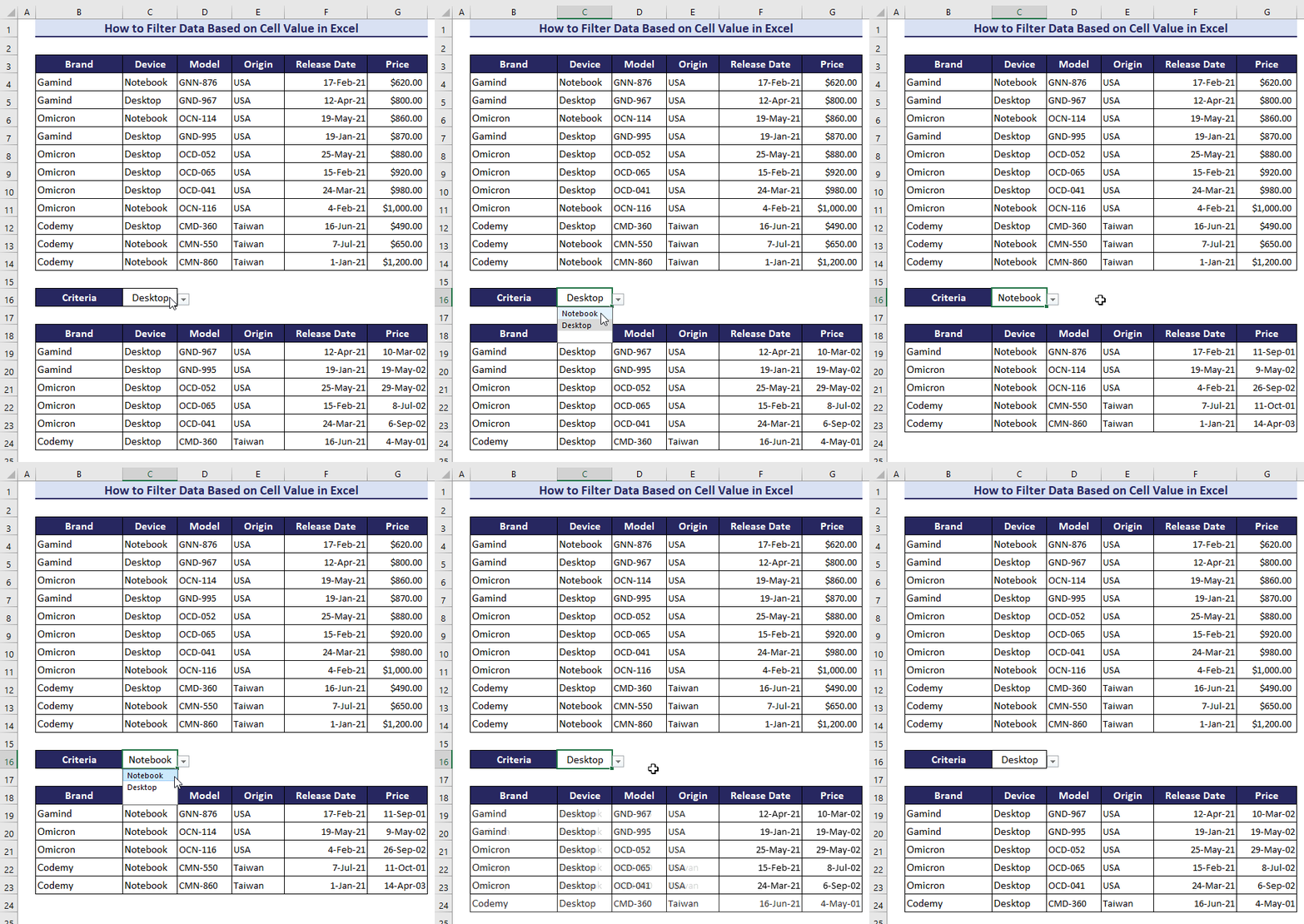
The following GIF shows the filtered rows based on the device name from the drop-down selection, which we'll create. Method 1 - Apply Keyboard ...
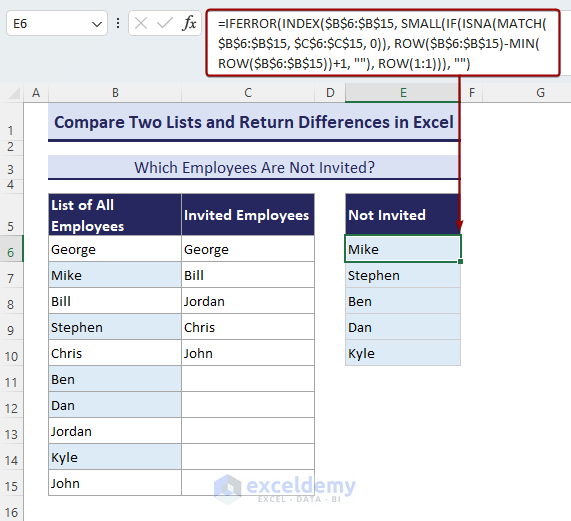
We have 2 lists: A list of all employees and a list of invited guests. We'll compare the lists and see which employees were not invited. In the image below, ...

Method 1 - Apply the SUMIFS Function with Comparison Operators We are going to sum all the values greater than a given benchmark from a subset of the ...
See Our Reviews at